Leverage Virtual 3D Printing Services for Your Projects
The demand for precision 3D printing grows rapidly across industries. Whether developing prototypes, manufacturing custom parts, or creating intricate designs, access to reliable 3D printing resources is essential. A virtual 3D printing lab offers a flexible, efficient solution to meet these needs. It enables users to design, simulate, and order prints remotely, saving time and reducing costs.
Benefits of Using Virtual 3D Printing Services
Virtual 3D printing services provide several advantages over traditional methods. First, they eliminate the need for physical equipment on-site. This reduces overhead expenses and maintenance concerns. Users can upload their digital models and select materials, colors, and finishes from an online platform.
Second, these services offer access to advanced printers and materials that may not be available locally. This expands the range of possible projects and improves quality. Third, virtual services often include design assistance and file optimization, ensuring prints meet exact specifications.
Finally, turnaround times are typically faster. Remote printing centers operate around the clock and ship completed parts directly to the user. This accelerates project timelines and supports rapid iteration.
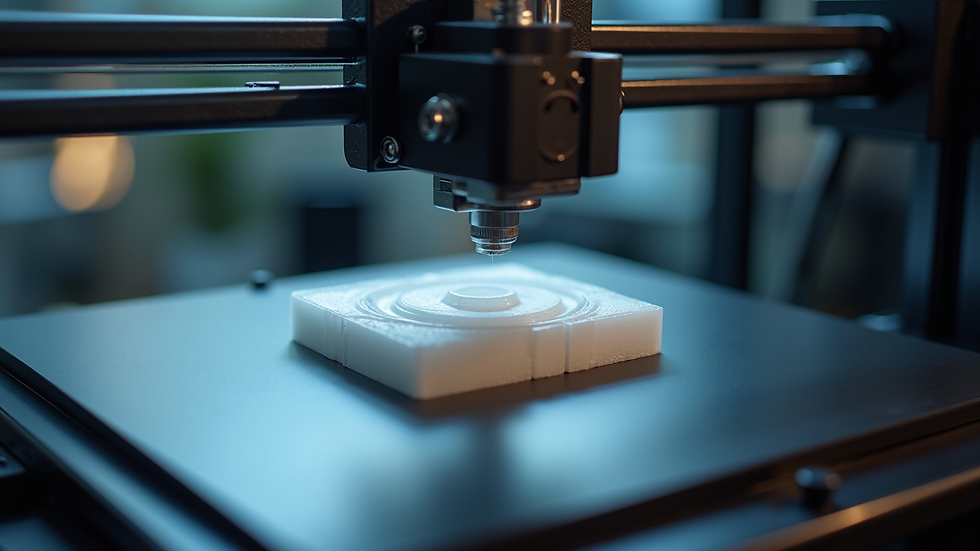
Eye-level view of a 3D printer producing a detailed prototype
How Virtual 3D Printing Services Streamline Project Workflow
Integrating virtual 3D printing services into your workflow simplifies the entire process from concept to finished product. Start by creating or uploading a 3D model using CAD software. The virtual platform then allows you to review the design in a simulated environment, checking for errors or potential print issues.
Next, select the appropriate printing technology and materials based on project requirements. Options may include FDM, SLA, or SLS printing, each suited for different applications. The platform provides instant quotes and estimated delivery times.
Once confirmed, the order is sent to the nearest printing facility. Throughout production, users can track progress and communicate with technicians if adjustments are necessary. After printing, parts are quality-checked and shipped promptly.
This streamlined approach reduces manual coordination and minimizes delays. It also supports collaboration across teams in different locations.
Choosing the Right Virtual 3D Printing Service
Selecting a virtual 3D printing service requires careful consideration of several factors:
Material Variety: Ensure the service offers materials compatible with your project, such as plastics, resins, or metals.
Printer Capabilities: Verify the resolution, build volume, and technology types available.
File Support: Confirm the platform accepts your preferred file formats and provides tools for file repair or optimization.
Turnaround Time: Assess shipping options and production speed to meet deadlines.
Customer Support: Look for responsive technical assistance and design consultation.
Pricing Transparency: Choose services with clear pricing structures and no hidden fees.
Evaluating these criteria helps avoid costly mistakes and ensures the final product meets expectations.
Practical Applications of Virtual 3D Printing Services
Virtual 3D printing services serve a wide range of applications. In product development, rapid prototyping accelerates design validation and testing. Engineers can iterate quickly without investing in physical tooling.
Manufacturers use these services for low-volume production runs or custom parts that are impractical to produce traditionally. Medical professionals benefit from patient-specific models for surgical planning or custom implants.
Architects and designers create scale models and functional components with high precision. Educational institutions leverage virtual labs to provide hands-on experience without expensive equipment.
By leveraging a virtual 3d printing lab, users gain access to cutting-edge technology and expertise that enhance project outcomes.

Close-up view of a 3D printed mechanical part with intricate details
Maximizing Efficiency and Quality with Virtual 3D Printing
To get the most from virtual 3D printing services, follow these best practices:
Prepare Accurate Models: Use precise CAD files and verify dimensions before submission.
Optimize Design for Printing: Incorporate features that reduce support material and improve strength.
Communicate Clearly: Provide detailed instructions and specifications to the service provider.
Request Samples: For critical projects, order test prints to validate material and finish.
Plan for Post-Processing: Account for finishing steps such as sanding, painting, or assembly.
Leverage Expert Advice: Utilize design consultation services offered by the platform.
These steps reduce errors, improve print quality, and shorten project timelines.
Future Trends in Virtual 3D Printing Services
The virtual 3D printing industry continues to evolve rapidly. Emerging trends include:
Integration with AI: Automated design optimization and error detection.
Expanded Material Options: New composites and bio-compatible materials.
Enhanced Simulation Tools: Real-time feedback on printability and performance.
Global Network Expansion: More localized printing centers for faster delivery.
Sustainability Focus: Eco-friendly materials and energy-efficient processes.
Staying informed about these developments helps users maintain a competitive edge.
Final Thoughts on Leveraging Virtual 3D Printing Services
Adopting virtual 3D printing services transforms how projects are executed. It offers flexibility, access to advanced technology, and faster turnaround times. By carefully selecting a provider and following best practices, users can achieve high precision and quality in their prints.
This approach supports innovation and efficiency across industries. It aligns with the goal of quickly bringing designs to life with accuracy and reliability. Embracing virtual 3D printing services is a strategic move for anyone seeking to enhance their production capabilities.


Comments